
You’ve decided to take the leap into the world of drones? Excellent! Whether it’s to film breathtaking footage from the sky, dabbling in a new hobby or to have fun, choosing the best drone for your needs can be difficult and an uncertain experience. And in some cases, pretty costly too if you pick the wrong one. With so many models on the market, and a whole lot of information to wade through – specs, prices and features – it can become a stressful experience. But fear not – you’re in the right place. This all-encompassing guide will take you through all you need to know to select the right one for you, even if you’ve never flown a drone in your life.
Why Choosing the Right Drone Matters
Before we get into the nitty-gritty, let’s address a natural objection up front: why does this topic even matter? You could waste $2,000 (or more) on a great drone, find that it’s too complicated to fly, and want to quit right away. You could spend $200 on a cheap toy and have it wreck itself on the first flight. This is the hobby where you need to get it right the first time.
What to Look for in a Beginner Drone
Ease of Use: When you are just getting started, choose a drone with one-touch takeoff and landing, altitude hold and headless mode, Low Battery Return Home, GPS Mode, Obstacle Avoidance, and Beginner Flight Modes. These functionalities can help with ease of flying and prevent unexpected accidents.
Durability: You will crash your drone. You’ll even make it crash on purpose. That’s how you learn. Make sure the drone you choose can withstand a bit of abuse (propeller guards are a good choice).
Price: Will you need to spend a lot to take flight? Not really. We recommend staying away from the much-hyped drones carried by the most major retailers, which can easily top $500, and often come with a ridiculous host of spying abilities and complex programming settings. You’ve got a long way to go as a pilot. Stick with the more family-oriented drones. You can spend at least $100-$300 and get a quality entry-level drone.
Camera Quality: If you’re interested in aerial photography or videography, pay attention here. Try to choose a drone with at least 1080p resolution. But note that, the better the camera, the steeper the learning curve.
Overcoming Common Objections
“But what if I still crash it?” you might be thinking. That’s OK! Everyone crashes their drone a few times when they first try out flying one. But remember to start slow, practice in open areas, enabling altitude hold and headless modes. Technical issues could also be a factor: ‘Am I too tech-unsavvy to fly a drone?’ Anyone can master the tech: today’s drones are built with the user in mind, and most include the simple controls and intuitive apps developed for them. There’s also a smorgasbord of online tutorials and communities to support and assist you.
Finally, now that we’ve scratched the surface of what drones are and how they work, you might be asking: what are the best models to buy? What about the accessories? Stay tuned because we’re about to look at some of our favourite models and must-have extras that will elevate your flying experience.
Top Drone Recommendations for Beginners
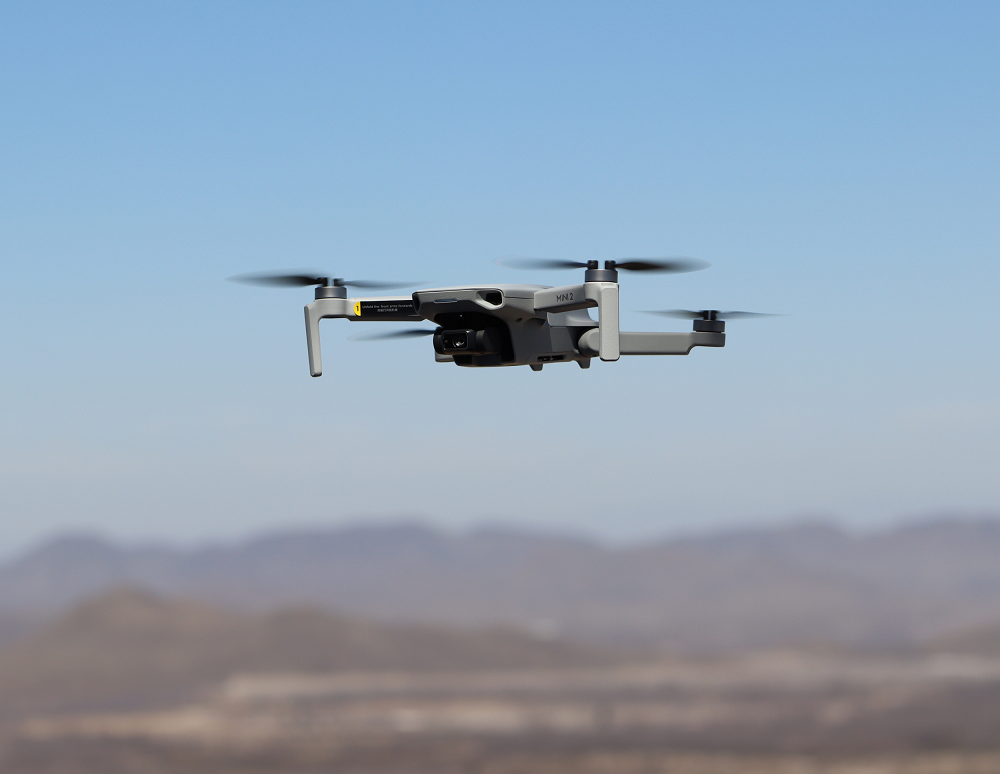
DJI Mini 2: Small, simple to use and has a camera with 4K video capacity; perfect for those just starting out The battery is strong and lasts 30 minutes; one battery is included and there’s a version with three batteries 41 Highly design – perfect for taking photos and videos of landscapes and memorials 42 Selfie drone – it can track people by using the front selfie screen on the remote to circle around you, film you 43 Lightweight – easy for backpacking; doesn’t require FAA registration.
Ryze Tello: This is a smart first drone choice, with an affordable price that most beginners can afford. It’s a easy to fly, shoots great 720p video, is incredibly easy to control, and is backed by an intuitive programming app and controller. It’s also pretty durable, especially for such a lightweight drone. It’s one of the starter drones we recommend highly. The Tello’s light, sturdy and good looking. It looks cool and can take a bump, so it’s eminently crashable, and is very stable and safe. It comes with electronic image stabilisation (EIS), a low battery protection, and the propeller guards. All this make it a very good choice as a first drone for beginners.
Holy Stone HS100D: This drone strikes an excellent balance between budget and functionality, featuring GPS, a 1080p camera, and useful functions like “follow me” and altitude hold. It also includes return home functionality, low battery return, and one-key takeoff/landing, making it a versatile and reliable choice for beginners seeking high-quality footage and stable flight performance without breaking the bank.
Must-Have Accessories
Additional Batteries: One of the biggest downsides with drones right now is that they can only fly for around 20-30 minutes. Having fresh batteries on standby means you’re guaranteed extra flying time. Especially when you have spent time and money to travel to an amazing place that you won’t be visiting every day, you want to capture as many of your enjoyable moments as you can.
Propeller guards: If you’re just starting with drones, propeller guards are a must-have to prevent crashes from damaging your drone and its surroundings. The propellers are essential for flying the drone. If they are broken, the drone can’t fly anymore unless you replace them with spare propellers. If you are just starting and trying to fly your drone indoors or in closed spaces, it’s very easy to hit a wall or object. If that happens, it is very likely that the propellers will break. This highlights the importance of propeller guards.
Carrying case: A good case will help protect your drone on transport and keep your accessories organised.This is suitable for carrying your drone with you on flights when traveling by air, without fear of it being damaged in checked baggage. Also, it allows for the best carry-on method when you are on your way to fly your drone. A good carrying case should also be waterproof to protect the drone and its accessories from rain in certain conditions.
Conclusion
Flying off into the sunset with the drone of your dreams is well within reach: just make sure it’s easy to use, easy to fly, durable, affordable, and has a good onboard camera – and you’ll be well set up for whatever your level of skill. Everybody makes mistakes – the key to success is to have fun in the process. Grab your drones and go!